Safety Precautions Before You Start
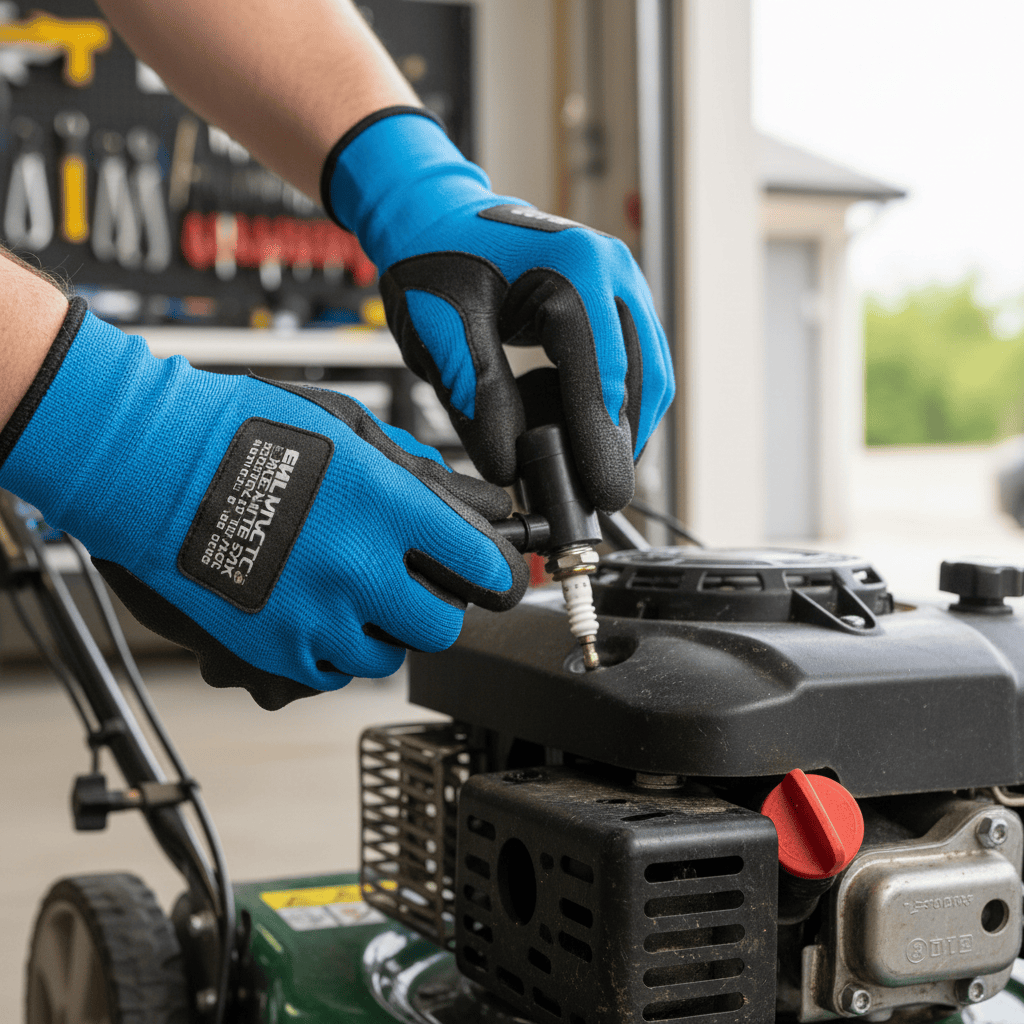
Before touching any part of your lawn mower’s engine, prioritize safety. The most critical step is disconnecting the spark plug wire—this prevents accidental engine ignition while you work. Grasp the wire connector (not the wire itself) and pull it straight off the spark plug.
Allow the engine to cool for at least 5–10 minutes after mowing. Even though spark plugs don’t generate extreme heat compared to automobile engines, the metal components around the plug can still cause burns. If you’ve been mowing on a hot day, waiting longer is always safer.
Work in a well-ventilated area, ideally outdoors or in a garage with open doors. Place the mower on level ground and ensure it’s stable before beginning. If you’re using a push mower, tipping it on its side may be necessary to access the spark plug—consult your owner’s manual for the correct orientation, as some models specify which side to tip to avoid oil entering the carburetor.
Tools and Materials You’ll Need
Gather these items before starting:
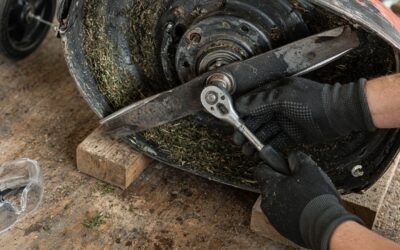
- Socket wrench: Most lawn mower spark plugs require a 5/8-inch socket, though some smaller engines use 13/16-inch. Check your owner’s manual for the exact size.
- Ratchet: A standard ratchet handle to turn the socket.
- Replacement spark plug: Bring your old plug to a hardware or outdoor equipment store to match the exact type, or check your manual for the OEM part number (common brands include NGK, Champion, and Bosch).
- Spark plug gap tool (optional): A simple wire or coin-style gauge to check the gap between the electrodes.
- Work gloves: Protect your hands from dirt and sharp edges.
- Shop rag: For cleaning debris around the spark plug area.
Do not attempt to use the wrong socket size—this can strip the spark plug or damage the engine. If unsure about the size, ask the salesperson at your equipment dealer.
Locating and Removing the Old Spark Plug
On most push mowers, the spark plug is located on the side of the engine, typically near the air filter housing. It’s a cylindrical component with a wire connection on top. The wire connector is usually black rubber with a metal connector inside.
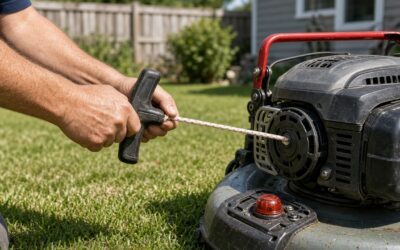
To remove it, grip the wire connector firmly and twist it slightly while pulling straight away from the plug. Pulling at an angle can damage the connector or internal wire. If the wire is stuck, gently rock it side-to-side while pulling.
Once the wire is disconnected, use your socket wrench to unscrew the spark plug. Turn counterclockwise slowly and steadily. If the plug is stuck due to corrosion or carbon buildup, apply a small amount of penetrating oil (like WD-40) around the base and wait 5 minutes before trying again. Do not force it—excess pressure can crack the plug or damage the engine’s threaded hole.
Set the old spark plug aside in a safe place. Before discarding it, compare it to the new plug to ensure you have the correct replacement.
Inspecting and Preparing the New Spark Plug
Before installation, verify that your new spark plug matches the old one in appearance and specifications. Check the part number on both plugs to confirm they’re identical.
Understanding spark plug gap: The gap is the space between the center electrode and the side electrode at the tip of the spark plug. This gap is critical—it determines the voltage required to create a spark and affects engine performance. A gap that’s too large requires higher voltage and may cause hard starting; a gap that’s too small can lead to weak ignition and fouling.
Most lawn mower spark plugs come pre-gapped to the manufacturer’s specification (typically 0.025–0.030 inches), but it’s worth checking. Use a spark plug gap tool—insert it into the gap and note which setting fits. If the gap is incorrect, carefully bend the side electrode up or down to adjust it. Do this gently; the ceramic insulator is fragile.
Installing the New Spark Plug
This is where many DIYers make mistakes. Start by hand-threading the spark plug into the cylinder head. This prevents cross-threading, which occurs when the threads bind incorrectly and damage both the plug and the engine. Insert the plug straight and turn it clockwise with your fingers only until you feel slight resistance. It should turn smoothly without forcing.
Once hand-threading is complete and the plug is snug, use your socket wrench to tighten it firmly. Spark plugs should be secure but not over-tightened—use moderate pressure on the ratchet. Over-tightening can damage the ceramic insulator or crack the engine block on aluminum heads.
After tightening, reconnect the spark plug wire. Push the connector straight onto the spark plug terminal until you hear or feel a click. The connection should be firm and not easily pulled off by hand. A loose connection causes poor ignition and engine misfiring.
Troubleshooting After Spark Plug Replacement
Mower won’t start: The most common cause is a disconnected or loose spark plug wire. Check that the wire is fully seated on the plug with an audible click. Also verify that the spark plug wire wasn’t accidentally disconnected from the ignition module on the engine block during your work.
Engine runs rough or misfires: This usually indicates a poor connection between the wire and the plug, or an incorrect gap on the new spark plug. Disconnect the wire and reconnect it firmly. If misfiring continues, remove the plug and check the gap again with your gap tool.
Plug fouls quickly: If the new plug becomes coated with carbon or oil within a few hours of use, the engine may have underlying issues such as a clogged air filter, too-rich fuel mixture, or worn piston rings. Fouling after spark plug replacement often means the old plug masked these problems. Address the root cause to prevent repeated fouling.
Spark plug replacement interval: Most lawn mower manufacturers recommend replacing the spark plug annually at the start of the mowing season, or after 100–200 hours of use. For homeowners who mow weekly during summer, this typically means once per year.
Special Considerations for Different Mower Types
Riding mowers and zero-turn mowers: These mowers often have easier access to spark plugs than push mowers because you sit in an elevated position. The process is identical—disconnect the wire, remove the old plug, and install the new one. Some riding mowers have two spark plugs (one per cylinder), so you’ll need to repeat the process twice. Always consult your owner’s manual for the exact locations.
Two-stroke versus four-stroke engines: Two-stroke engines (less common in modern mowers) are smaller and may have different spark plug sizes, but the replacement process is the same. Four-stroke engines, which dominate the market, use the procedures described in this guide. Check your manual if you’re unsure which type you have.
Mulching and bagging mowers: There are no differences in spark plug replacement for these mower types—the engine service procedures are identical regardless of cutting or collection method.
Frequently Asked Questions
What socket size do I need for my lawn mower spark plug?
Most lawn mower spark plugs use a 5/8-inch socket. However, some smaller or older engines use 13/16-inch or 3/4-inch sockets. The safest approach is to remove your old spark plug first with whatever socket fits, then check your owner’s manual or the part number on the plug. If you buy the wrong socket, you risk stripping the plug or the engine block.
Can I reuse an old spark plug?
No. Spark plugs degrade over time as the electrodes wear down and the ceramic insulator develops microscopic cracks. Reusing an old plug risks poor ignition, engine misfiring, and hard starting. Replacement spark plugs cost $5–$15, making it an inexpensive maintenance item worth doing correctly.
How do I know what replacement spark plug to buy?
The easiest method is to bring your old spark plug to a lawn equipment dealer or hardware store and ask for a matching part. Alternatively, look up your mower’s model number (usually on a sticker on the deck or frame) on the manufacturer’s website to find the OEM part number. You can then purchase the exact plug online or at a local store. Common aftermarket plugs (Champions, NGKs, Briggs & Stratton replacements) are compatible with most mowers if the part number matches.
Why is my new spark plug not working?
Start by checking that the wire is fully connected—this causes 80% of post-replacement problems. Next, verify the gap is correct by comparing the old and new plugs visually or with a gap tool. If the gap is wrong, adjust it. If the mower still won’t start and the wire is connected properly, the issue may be with the ignition module or fuel system, not the spark plug itself. At this point, consult your owner’s manual or take the mower to a repair shop.