How Often to Change Lawn Mower Oil: Quick Answer
Most residential lawn mowers require an oil change every 50-100 operating hours or once per season, whichever comes first. However, the exact interval depends on your mower’s engine type, manufacturer specifications, and operating conditions. Always consult your owner’s manual for the precise recommendation for your model, as intervals can vary significantly between brands and engine sizes.
Standard Oil Change Intervals for Residential Mowers
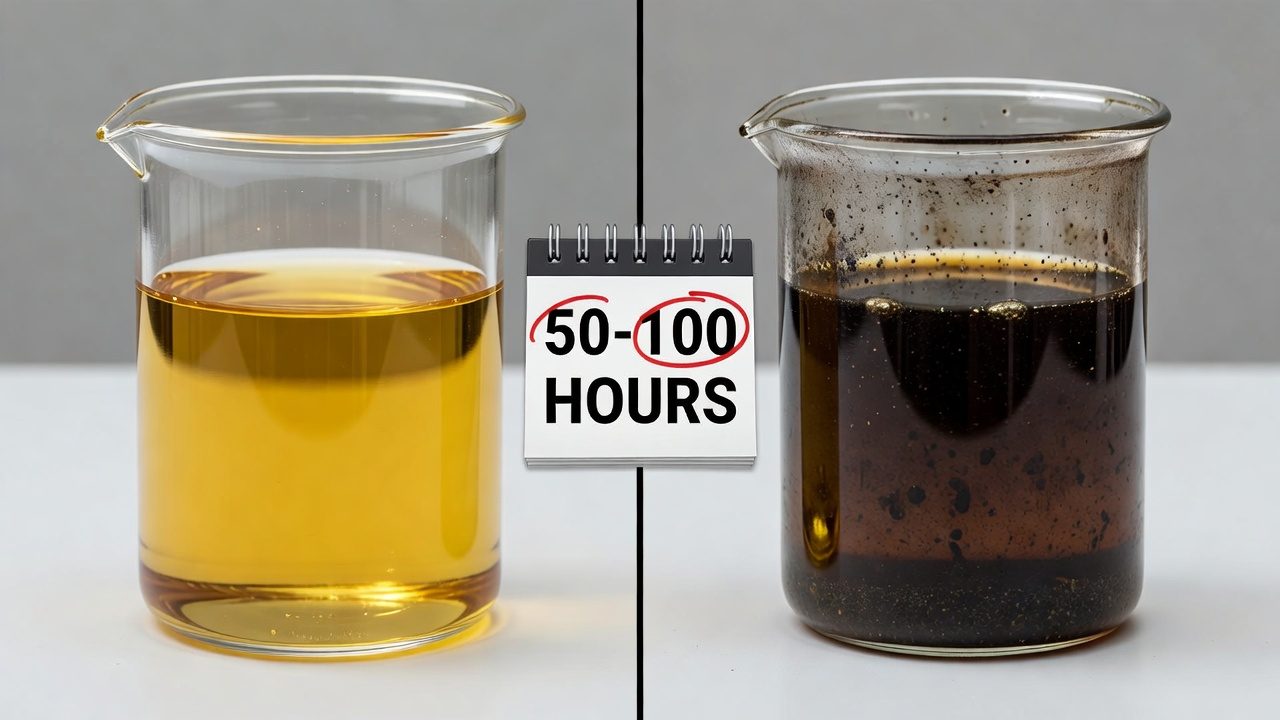
The 50-100 operating hour guideline serves as a baseline for most homeowner-grade lawn mowers. This interval emerged from decades of small engine design and maintenance best practices across the industry.
For context, 50 hours of mowing typically equals one full season of weekly lawn care for an average residential property. A typical residential lot requires about 1-2 hours of mowing per week during the growing season, making the seasonal recommendation align closely with the hourly standard.
The reason manufacturers establish these intervals relates to oil degradation. Engine oil breaks down over time due to heat, oxidation, and contamination from combustion byproducts. Fresh oil maintains better viscosity, provides superior lubrication, and protects engine components more effectively. Letting oil degrade beyond the recommended interval increases wear on pistons, cylinders, and bearings—components that are expensive to replace in small engines.
Riding mowers and zero-turn equipment often follow similar intervals, though some commercial-grade models may extend to 100-150 hours depending on the engine. Push mowers, string trimmers, and handheld equipment typically cluster around the lower end (50 hours) because they often run in less controlled conditions.
Factors That Affect Oil Change Frequency
While the standard interval provides a useful baseline, several variables may require you to change oil more frequently:
Mower Type and Engine Size
Push mowers with smaller engines (typically 3.5-7 horsepower) are more sensitive to oil degradation and benefit from the 50-hour interval. Larger riding mower engines (12+ horsepower) with better cooling systems may tolerate 75-100 hours. Commercial equipment sometimes extends further, but this requires different maintenance protocols and synthetic oils.
Operating Environment
Dusty, sandy, or debris-heavy conditions significantly impact oil life. If you mow in dry climates, on properties with loose soil, or near gravel roads, dust contaminates the oil faster. Similarly, wet grass or high-humidity environments can introduce moisture into the engine, accelerating oil breakdown. In these conditions, consider changing oil at the lower end of your interval (50 hours) rather than waiting for 100.
Oil Type: Conventional vs. Synthetic
Conventional motor oil—the standard recommendation for most residential mowers—typically lasts 50-100 hours. Synthetic oils offer better thermal stability and oxidation resistance, potentially extending intervals to 150-200 hours. However, most manufacturers still recommend conventional oil for small engines, and synthetic oils cost significantly more. Only switch to synthetic if your owner’s manual explicitly permits it.
Engine Age and Condition
Newer engines with tight tolerances and good compression often reach the full 100-hour interval without issue. Older mowers or engines with higher mileage may accumulate more combustion byproducts (sludge), which can degrade oil quality faster. If your mower is more than 10 years old or has high operating hours, lean toward the 50-hour interval.
Maintenance of Air Filters
A clogged air filter forces the engine to run rich (too much fuel relative to air), which increases combustion byproducts and degrades oil faster. Keeping your air filter clean actually extends oil life. Check and clean your air filter every 25 hours or monthly, and replace it annually or when visibly dirty.
Seasonal Maintenance Considerations
Seasonal timing plays an underrated role in lawn mower longevity. Many homeowners neglect oil changes at critical transition points.
Pre-Season Oil Change (Spring)
Before firing up your mower for the first time in spring, check the oil level and condition. If oil looks dark or hasn’t been changed since the previous season, perform an oil change. Fresh oil helps the engine start reliably and run smoothly during the critical early-season period when you’re establishing mowing patterns.
End-of-Season Preparation (Fall)
This is where many homeowners miss an important maintenance step. If your mower’s oil is approaching or has reached the 50-100 hour mark by late fall, change it before storing the equipment for winter. Old oil can leave acidic residues and sludge inside the engine during months of inactivity, leading to corrosion and poor cold-weather starting the following spring.
Winter Storage Strategy
After your final oil change in fall, run the mower for a few minutes to circulate fresh oil through the engine before storage. This ensures clean oil coats all internal surfaces during the dormant months. If you store your mower indoors (garage or shed), consider adding a fuel stabilizer to the gas tank as well, though oil change timing remains the primary focus.
How to Track Your Mower’s Operating Hours
Tracking operating hours accurately ensures you don’t miss maintenance windows.
Hour Meter
Many riding mowers and commercial equipment include a built-in hour meter on the dashboard. This is the most reliable tracking method. Check the reading before each mowing session and record it in a maintenance log or phone reminder.
Manual Estimation
If your mower lacks an hour meter, calculate operating hours manually. Average lawn size and mowing frequency provide a rough estimate:
- Small lot (¼ acre): ~30-40 minutes per week = ~2 hours per month
- Medium lot (½ acre): ~1 hour per week = ~4 hours per month
- Large lot (1+ acre): ~2-3 hours per week = ~8-12 hours per month
During peak growing season (typically May-August), multiply the monthly estimate by 4-5 months. This gives you a seasonal total. After two seasons at this rate, you’ve likely approached 100 hours and should plan an oil change.
Maintenance Log
Keep a simple spreadsheet or note in your phone tracking:
- Date of oil change
- Hour meter reading (or estimated hours)
- Oil type and amount added
- Any other maintenance performed
This log becomes invaluable if you sell the mower or need to troubleshoot issues later.
Signs Your Lawn Mower Oil Needs Changing
Beyond the standard schedule, certain warning signs indicate your oil has degraded and needs immediate replacement:
Oil Color and Appearance
Fresh oil appears golden or amber. As it breaks down, it turns dark brown or black. Extremely dark or black oil with a burnt smell indicates oil has oxidized significantly and is no longer protecting your engine effectively. This is a clear signal to change it immediately, even if you haven’t reached the hour interval.
Milky or frothy oil suggests water contamination, which occurs when cold engines condense moisture. Run the mower at full throttle for 10-15 minutes to evaporate the water, then check again. If milkiness persists, drain the oil, inspect for leaks or head gasket issues, and refill with fresh oil.
Performance Issues
Hard starting, rough idle, or reduced power often correlate with dirty or degraded oil. While these symptoms have multiple causes, checking and changing the oil is a logical first troubleshooting step. New oil often restores smooth operation if oil condition was the underlying issue.
Oil Level Drops
Oil consumption varies by engine design, but if you’re adding oil between changes more than once per season, you may have a leak or internal wear issue. Small consumption is normal; excessive consumption warrants inspection before the next oil change.
How to Change Lawn Mower Oil: Basic Process
While detailed DIY instructions fall outside this guide’s scope, understanding the basic process helps you recognize why regular changes matter:
- Warm the engine: Run the mower for 30 seconds to warm oil, making it flow more easily.
- Locate the drain plug: Refer to your owner’s manual. Most push mowers have a drain plug underneath or on the side of the engine.
- Drain old oil: Remove the plug and let oil drain completely into a container. Dispose of used oil at a recycling center or auto parts store—never pour it down a drain.
- Replace the drain plug: Some mowers use a spin-on filter; others don’t. If your model has one, replace it according to the manual.
- Add new oil: Fill with the oil type and amount specified in your owner’s manual (typically 0.6-1.0 quarts for push mowers, more for riding models).
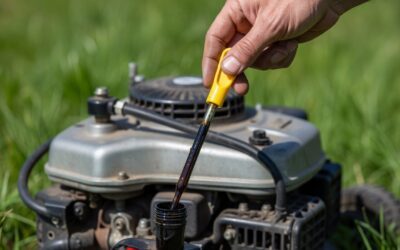
- Check the level: Use the dipstick to verify proper fill level.
Frequently Asked Questions
What type of oil should I use in my lawn mower?
Use the oil grade specified in your owner’s manual. Most residential mowers call for SAE 30, 10W-30, or 5W-30. These numbers indicate oil viscosity (thickness). SAE 30 is a single-grade oil suitable for warm climates; 10W-30 and 5W-30 are multi-grade oils that flow better in cold weather. Using the wrong grade can reduce engine protection and efficiency. Synthetic oils are available but typically unnecessary unless your manual recommends them.
Can I go longer than 100 hours between oil changes?
Not recommended for residential mowers. Pushing beyond 100 hours on conventional oil risks increased wear on engine components. Oil degrades predictably over time regardless of equipment idle periods, and degraded oil provides inadequate protection. The cost of an oil change (typically $10-20 for materials) is minimal compared to engine repair costs ($500-2,000+). Stick to the manufacturer’s interval.
Does electric or battery-powered equipment need oil changes?
No. Cordless electric mowers have no internal combustion engine, so they require no oil changes. Maintenance focuses on battery health (charging and storage) and blade sharpness. This is one advantage electric models offer over gas-powered equipment.
What should I do if I accidentally overfill the oil?
Drain excess oil immediately using the drain plug. Overfilled engines can develop excessive pressure, damage seals, and cause oil to leak past the dipstick or burn off during operation. It’s easier to add oil than remove it, so add gradually and check the level frequently when changing oil.