Quick Answer: How to Make Your Lawn Mower Faster
Lawn mower speed improvements fall into two categories: blade RPM (cutting performance and efficiency) and ground travel speed (how fast the mower moves across your yard). The fastest gains come from maintenance—sharpening blades, changing oil, cleaning air filters, and adjusting carburetor settings—which cost little and improve performance immediately. For sustained power increases, consider engine tuning with higher octane fuel, ignition timing adjustments, and performance spark plugs. Aftermarket upgrades like belt replacements and air intake modifications offer additional gains, though modifications may affect your warranty.
Understanding Lawn Mower Speed: What You’re Actually Measuring
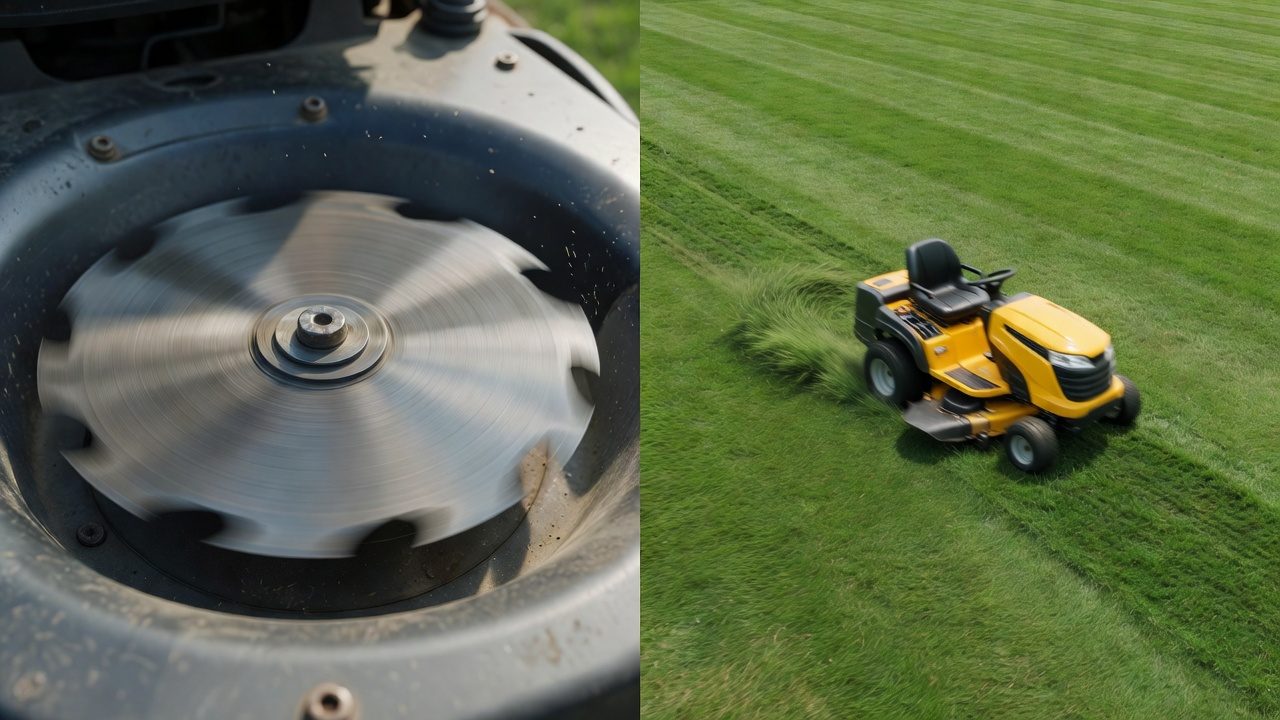
Before modifying your mower, clarify what “faster” means for your situation. Most homeowners conflate two distinct performance metrics:
- Blade RPM (Revolutions Per Minute): Controls how fast the cutting blade spins. Higher RPM cuts grass more efficiently and cleanly, reducing fuel consumption and improving the finish. Most rotary mowers operate between 2,500 and 3,600 RPM.
- Ground Travel Speed: How quickly the mower moves across your lawn. Relevant primarily for riding mowers and zero-turn radius (ZTR) mowers. Push mowers typically don’t have variable speed controls.
Your mower type also determines which modifications apply:
- Push Mowers: Limited speed options; focus on blade sharpness and engine efficiency rather than travel speed.
- Riding Mowers: Modifications can target both blade RPM and transmission/belt performance for ground speed.
- Zero-Turn Mowers: Dual-hydrostatic transmissions allow independent speed adjustments; tuning focuses on engine power output.
Immediate Performance Gains: Maintenance & Basic Tuning
The safest and most cost-effective improvements require no parts replacement:
Sharpen Your Blades Regularly
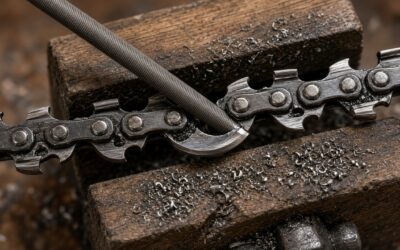
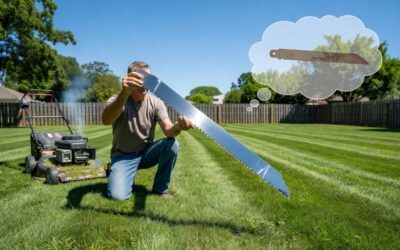
Dull blades are the single largest cause of poor mowing performance. They tear grass rather than cut it cleanly, forcing the engine to work harder and consuming more fuel. A sharp blade reduces engine strain, allowing the mower to operate at higher efficiency and—effectively—move faster through your yard.
- Sharpen blades every 20-25 hours of operation or 2-3 times per season.
- Use a metal file or bench grinder; maintain the blade’s original angle (typically 30-45 degrees).
- Always disconnect the spark plug before handling blades.
- Balance the blade after sharpening to prevent vibration and uneven wear.
Change Oil and Replace Air Filters
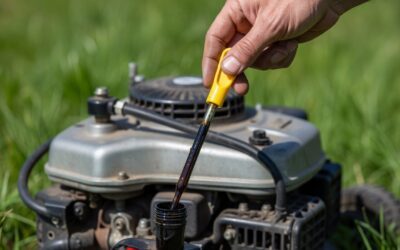
Fresh oil reduces engine friction and improves combustion efficiency. A clogged air filter forces the engine to work harder, reducing available power.
- Change oil according to your manual’s schedule (typically every 50-100 hours or seasonally).
- Use the oil grade specified by the manufacturer; synthetic oil offers better performance in extreme temperatures.
- Replace air filters every 100-200 hours; clean foam filters every 25 hours.
- A clean air filter alone can improve engine responsiveness noticeably.
Clean or Replace Your Spark Plug
A fouled or worn spark plug reduces ignition efficiency and limits engine RPM.
- Inspect the spark plug every 25-50 hours.
- Clean with a wire brush if deposits are light; replace if the gap is too wide or the electrode is damaged.
- Use the exact spark plug model specified in your manual—different plugs have different heat ranges.
Adjust Carburetor Settings
The carburetor controls the fuel-air mixture. A lean mixture (more air) can increase RPM slightly, though adjustment requires care to avoid engine damage.
- Locate the carburetor adjustment screws (typically labeled H for high-speed and L for low-speed).
- Start with small adjustments: turn counterclockwise ¼ turn, start the engine, and listen for changes.
- Stop if the engine begins to sputter or stall; overly lean mixtures cause overheating.
- Consult your manual for baseline settings; many modern mowers have sealed carburetors that shouldn’t be adjusted by users.
Level Your Mower Deck
An uneven deck forces one blade to do more work than the other, straining the engine. Leveling ensures both blades cut evenly and the engine operates efficiently.
- Park the mower on flat ground and measure deck height at all four corners using a tape measure.
- Adjust by loosening bolts on the deck frame and shimming with washers until measurements are equal (typically ½-inch front-to-back, level side-to-side).
- Uneven decks also produce uneven lawn appearance, so this improves cutting quality and perceived speed.
Check Belt Tension and Condition
Belts transmit engine power to blades and wheels. A worn or loose belt slips, wasting power.
- Inspect belts for fraying, cracks, or glazing.
- Check tension by pressing the belt midway between pulleys; it should deflect ¼ to ½ inch under moderate hand pressure.
- Replace belts if worn; consider high-performance belts for riding mowers (discussed below).
Engine Tuning for Increased Power Output
Fuel Quality and Octane Rating
Small engines in lawn mowers typically run on regular unleaded (87 octane). Higher octane fuel resists detonation and allows for slightly advanced ignition timing, potentially increasing power output by 2-5% depending on engine design.
- Switch to 91 or 93 octane fuel for a season and monitor performance.
- Use fresh fuel; gasoline degrades over 30 days, affecting combustion efficiency.
- Add a fuel stabilizer if storing the mower for more than a month.
- Ethanol-free fuel burns cleaner and may improve performance, though it’s often more expensive and harder to find.
Ignition Timing Adjustment
More advanced ignition timing (firing the spark plug earlier in the combustion cycle) can increase RPM, but requires precision and risks engine damage if over-advanced.
- Locate the magneto or electronic ignition system (consult your manual for specifics).
- Advancing timing by 2-3 degrees may yield 50-100 RPM gains.
- Over-advancing causes engine knock (pinging), which damages the engine; retreat timing immediately if you hear it.
- This modification is recommended only for experienced users or professional mechanics.
Performance Spark Plugs
Aftermarket spark plugs with finer electrodes and improved materials (platinum or iridium) fire more reliably and create stronger sparks, improving combustion efficiency.
- Replace stock plugs with performance equivalents (e.g., NGK Iridium, Champion Platinum).
- Performance plugs cost $10-20 each but last longer and may improve throttle response and fuel efficiency.
- Always use the correct heat range for your engine; check your manual.
Aftermarket Upgrades for Sustained Performance
High-Performance Belts (Riding Mowers)
Belts are the weak link in power transmission. Upgrading to higher-grip or aramid-reinforced belts reduces slippage and increases power delivery.
- Aramid-composite belts offer 10-15% better grip than OEM rubber belts.
- Cost ranges from $50-150 depending on mower type.
- Installation typically requires removing the deck and idler pulleys; consider professional installation.
Air Intake Modifications
Increasing air flow to the engine allows more oxygen during combustion, improving efficiency and power.
- Replace the air filter housing with a high-flow intake system (e.g., foam or mesh filters with less restriction).
- Ensure the intake draws cool air; mounting near the engine radiates heat and reduces performance gains.
- High-flow air filters typically cost $25-60 and may improve RPM by 100-200.
Exhaust System Upgrades
Less restrictive exhaust systems allow combustion gases to exit faster, improving engine breathing.
- Replace the muffler with a performance equivalent that maintains noise compliance but reduces backpressure.
- Cost: $40-120 depending on mower type.
- Gains are modest (50-150 RPM) but combine with other modifications for cumulative effect.
Blade Selection
Some aftermarket blades are designed for higher speeds or more aggressive cutting.
- High-lift blades generate more airflow, improving bag fill and clipping discharge; they require slightly more engine power.
- Gator blades mulch grass finely, requiring more cutting force but improving appearance on dense lawns.
- Ensure replacement blades match your mower’s deck design and balancing specifications.
Safety Considerations Before Modifying Your Mower
- Disconnect the Spark Plug: Always remove the spark plug wire before working on the blade, belt, or engine to prevent accidental starting.
- Wear Protective Gear: Use eye protection, gloves, and steel-toed boots when working on the mower.
- Check Your Manual: Consult the manufacturer’s documentation before any modification; some adjustments void warranties.
- Avoid Overly Aggressive Tuning: Excessive richening or leaning of the fuel mixture, over-advancing ignition, or running the engine at sustained high RPM reduces engine life and increases overheating risk.
- Test Gradually: After modifications, run the mower for 10-15 minutes and monitor for unusual sounds, smoke, or overheating before full-load use.
- Professional Help: If you’re uncomfortable with carburetors, ignition systems, or belt work, consult a small-engine repair technician.
Frequently Asked Questions
Q: Can I make my push mower faster?
Push mowers don’t have variable speed controls, so you can’t increase ground travel speed. However, sharpening blades, maintaining the engine, and ensuring optimal air filter condition improve cutting efficiency, allowing you to cover your yard faster in practice. For a push mower, focus on blade maintenance as your primary upgrade.
Q: Will modifications void my mower’s warranty?
Possibly. Manufacturer warranties typically cover defects but exclude damage from modifications. Simple maintenance—oil changes, air filter replacement, blade sharpening—is explicitly covered in most warranties. Carburetor adjustments, timing modifications, or aftermarket parts may void coverage. Check your warranty documentation or contact the manufacturer before proceeding.
Q: How much faster can I realistically make my mower?
Maintenance and basic tuning yield 5-15% efficiency gains in practice (cutting takes noticeably less time). Engine tuning and aftermarket upgrades combined may achieve 10-20% performance improvements. Expecting 50% speed increases from residential mower modifications is unrealistic; professional racing mower modifications exist but are cost-prohibitive for typical homeowners.
Q: Is higher octane fuel necessary for my lawn mower?
No. Regular 87-octane fuel is sufficient for most lawn mowers and is specified by manufacturers. Switching to 91 or 93 octane provides minimal performance gains (2-5%) and increases fuel costs. It’s worth trying for a season if you already have access to premium fuel, but not a priority for most users.